
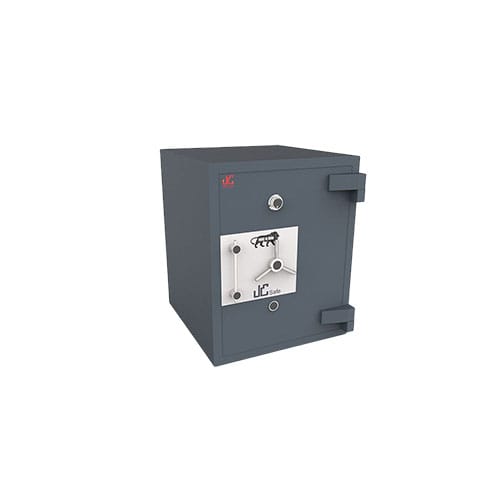
Buying a home safe is an important decision that affects the security of your most valuable possessions. Whether you need to protect documents, jewelry, cash, or digital media, the right safe provides a critical layer of protection against theft, fire, and water damage. This guide covers everything you need to know to make an informed purchase.
Many homeowners make the mistake of buying the cheapest option or choosing a safe based solely on appearance. A home safe should be selected based on your specific needs, the threats you face, and the types of assets you need to protect. Understanding the key factors will help you invest wisely.
Choosing the Right Size
Size is one of the first considerations when buying a home safe. Think about what you need to store now and what you might need to store in the future. Small safes are suitable for passports, jewelry, and a few documents, while medium safes can accommodate file folders, laptops, and multiple jewelry boxes. Large safes provide space for extensive document collections, firearms, and larger valuables. Always buy slightly larger than your current needs � your storage requirements will likely grow over time, and it is more cost-effective to buy one larger safe than to replace a smaller one later.
Fire Rating and Burglar Resistance
A good home safe should offer both fire protection and burglary resistance. For fire protection, look for safes with a fire rating of at least 30 minutes for residential use � this covers most typical home fire scenarios. For burglar resistance, check the safe's construction quality, wall thickness, and locking mechanism. Safes with reinforced steel construction, anti-pry door frames, and multi-point locking systems provide significantly better protection than basic models. Consider what threats are most relevant to your situation � homes in fire-prone areas should prioritize fire ratings, while homes in high-crime areas should focus on burglary resistance.
Anchoring � Don't Skip This Step
An unanchored safe is a portable safe � and thieves love portability. No matter how heavy or secure your safe is, if it is not bolted down, it can be carried away and opened later at a different location. Most quality safes come with pre-drilled anchor holes and mounting hardware. Bolt your safe to a concrete floor or a structural wall using the provided anchors. This single step dramatically increases your safe's effectiveness as a security measure. If you are unsure about installation, consult a professional to ensure proper anchoring.
Lock Types � Key, Combination, and Biometric
- Key Lock � Simple and reliable, but keys can be lost, copied, or discovered by intruders. Best for low-risk applications or as a backup lock.
- Combination Lock � No key to lose, but the combination can be forgotten or observed. Electronic combination locks offer the convenience of easy code changes.
- Biometric Lock � Fingerprint scanners provide quick access and eliminate the risk of lost keys or forgotten combinations. Ideal for households where multiple authorized users need access.
- Dual Lock Systems � Some safes offer both electronic and key locks, providing redundancy and an additional security layer.
Placement Tips
Where you place your home safe matters as much as which safe you buy. Avoid obvious locations like master bedroom closets � these are the first places burglars search. Consider less predictable locations such as a home office, guest room, or a?? spot in the basement. Ensure the safe is placed on a solid, level surface that can support its weight, and avoid areas prone to flooding or moisture. If anchoring to a concrete floor, confirm that the floor structure can handle the installation without damage. Keep the safe accessible to authorized household members but hidden from casual visitors.
Common Mistakes to Avoid
- Buying based on price alone � The cheapest safe often provides minimal real protection. Invest in quality construction and certified ratings.
- Ignoring fire or water ratings � Burglary is not the only threat. Fire and water damage destroy more valuables annually than theft.
- Not anchoring the safe � An unanchored safe can be removed in minutes. Always bolt it down.
- Choosing the wrong size � A safe that is too small will quickly become inadequate. Buy larger than your current needs.
- Placing the safe in an obvious location � Master bedroom closets are the first place thieves check. Choose a less predictable spot.
- Sharing the combination widely � Limit access to the safe to trusted household members only.
A home safe is a long-term investment in your family's security and peace of mind. Take the time to evaluate your needs, research your options, and choose a safe that provides genuine protection for the things that matter most to you.
The right home safe protects what matters most � choose carefully, install properly, and rest easy.