
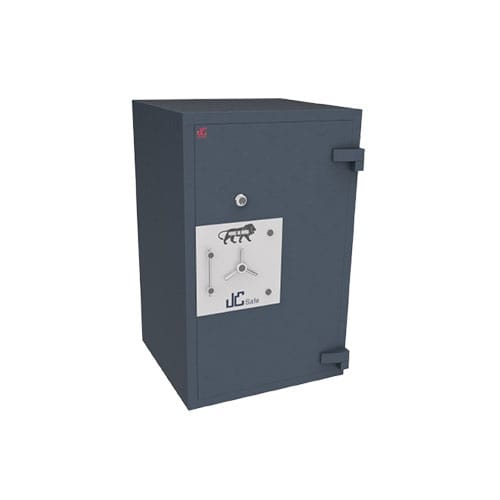
Fire is one of the most destructive threats to valuable assets, documents, and cash. When choosing a security safe, understanding fire ratings is essential to ensure your belongings are truly protected. Many buyers focus solely on burglary resistance and overlook fire protection � a mistake that can prove costly when disaster strikes.
A fire-rated safe is specifically engineered to maintain a controlled internal temperature even when exposed to extreme external heat. This protection is achieved through specialized insulation materials and construction techniques that slow heat transfer and protect sensitive contents from fire damage.
Fire-Resistant vs Fireproof � What's the Difference?
The terms "fire-resistant" and "fireproof" are often used interchangeably, but they have distinct meanings in the safe industry. A fire-resistant safe is designed to withstand fire exposure for a specific duration while keeping the internal temperature below a threshold that would damage contents. No safe is truly "fireproof" in the absolute sense � given enough time and heat, any material will eventually fail. Fire-rated safes are tested and certified to maintain protection for defined periods, typically 30, 60, 90, or 120 minutes, depending on the class and standard.
Understanding this distinction helps set realistic expectations. A safe rated for 60 minutes of fire protection will keep contents safe during a typical building fire scenario, but it cannot guarantee indefinite protection in an extended inferno. The right rating depends on your risk profile, the value of contents, and the response time of local fire services.
How Insulation Materials Work
Fire-rated safes use specialized insulation materials sandwiched between the inner and outer steel walls. These materials typically include concrete composites, ceramic fiber boards, and moisture-retaining compounds. When exposed to heat, moisture trapped within the insulation evaporates, creating a cooling effect that slows temperature rise inside the safe. This phase-change mechanism is critical � it absorbs heat energy and maintains lower internal temperatures for extended periods.
- Concrete Composite � Dense concrete layers provide excellent thermal mass, slowing heat penetration through sheer density.
- Ceramic Fiber Board � Lightweight insulation that withstands extreme temperatures without degrading or losing structural integrity.
- Moisture-Retaining Compounds � Materials that release stored water as steam when heated, actively cooling the interior.
Temperature Ratings to Look For
Fire ratings are measured by the maximum internal temperature the safe maintains during testing. For paper documents, the critical threshold is approximately 177 degrees Celsius � above this temperature, paper begins to char and burn. Fire safes for document protection are typically tested to keep internal temperatures below this limit for the rated duration. For digital media and electronic storage, the threshold is much lower, around 52 degrees Celsius, requiring specialized media safes with enhanced insulation. Always match the fire rating to the type of contents you plan to store.
Why Fire Protection Matters
Fire protection is critical for both residential and commercial safe buyers. For businesses, important contracts, insurance policies, property deeds, and financial records represent irreplaceable assets. Losing these documents in a fire can create legal complications, insurance disputes, and operational disruptions that far exceed the cost of a fire-rated safe. For homeowners, birth certificates, property documents, photographs, and emergency cash reserves deserve the same level of protection. A fire-rated safe provides peace of mind that even in the worst-case scenario, your most important documents will survive.
At JC Safes & Lockers, our fire-rated safes are designed and tested to provide reliable fire protection for documents, cash, and valuables. We offer a range of fire ratings to suit different needs and budgets, ensuring you find the right level of protection for your specific requirements.
Don't wait until it's too late � invest in fire protection for your valuables today.